Sequentiality; everything must be parallel or sequent, or I will spontaneously combust.
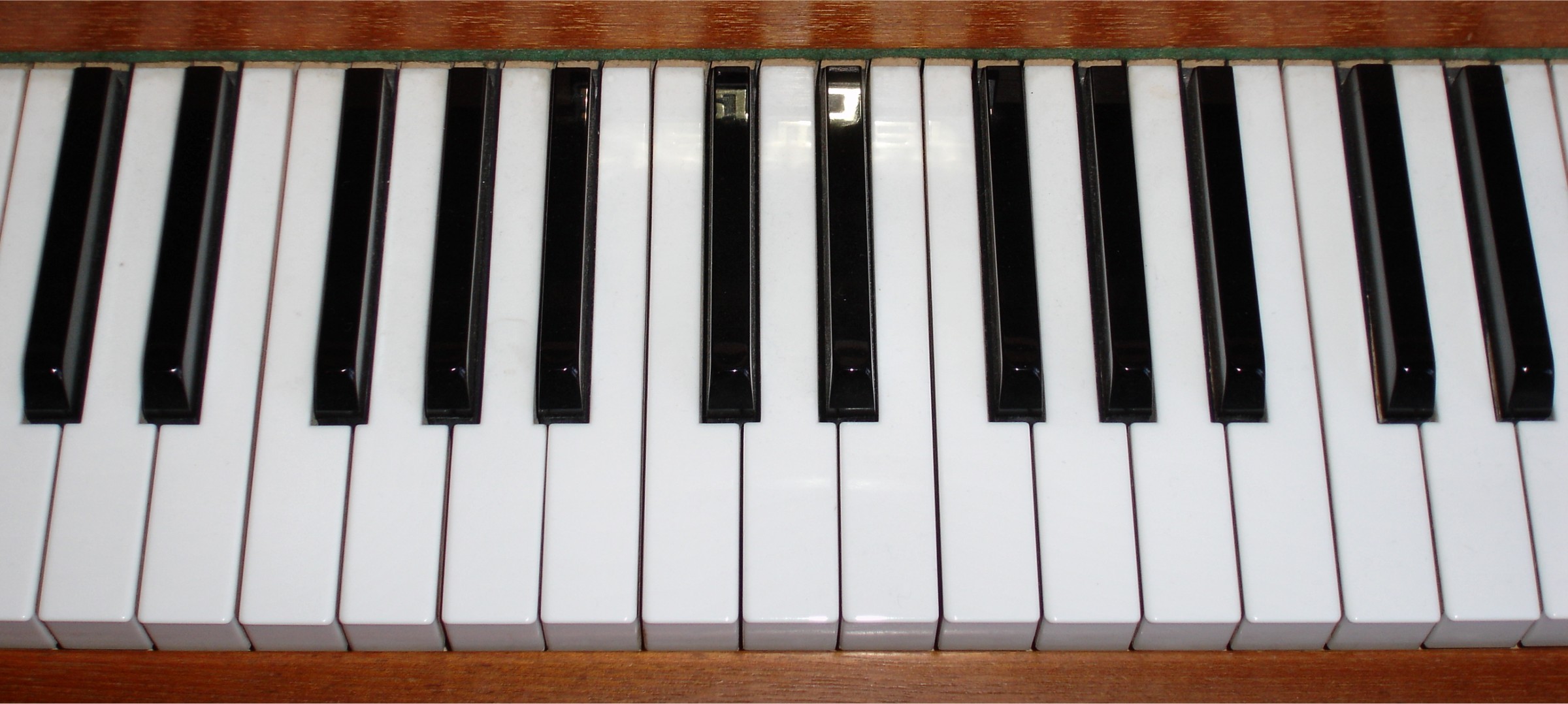
Cutlery
The pleasure of lining up and straightening items on your desk; the harmony of a tin full of carefully arranged pencils or the joy of a drawer full of straight cutlery; the serenity induced by a scene of parallel railway lines or the contentment generated by the geometric regularities of buildings.
Cat legs
The delight in rearranging the legs of your sleeping cat from a haphazard pile to an orderly display (not easy, but very satisfying); the joy of methodically stacked shelves in a supermarket and the satisfaction when the coffee table finally lines up equidistantly and parallel with all the other furniture and the walls.
Hmm, just noticed these paragraphs are all agreeably and neatly ranged left (left justified, ragged right or lined up down the left hand edge). Wonderful.
Then there is the excitement of an orderly or consecutive sequence of numbers on a score board; although it’s a little annoying when you come across a good number sequence and it gets altered.
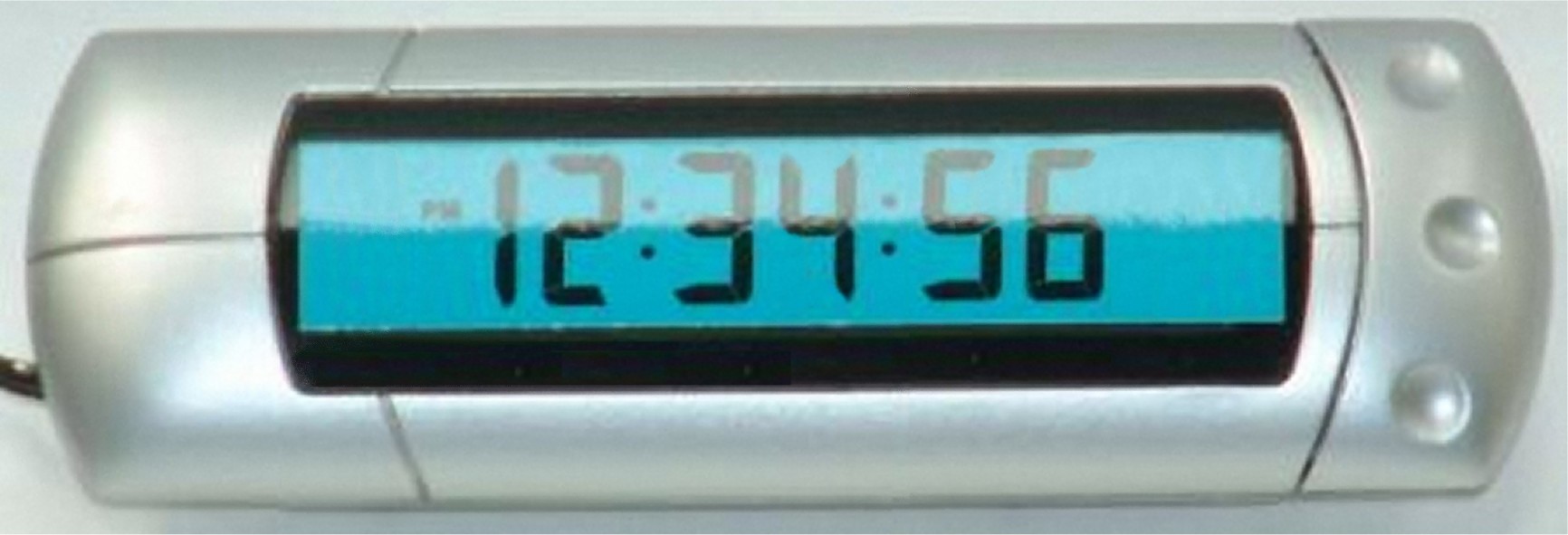
Digital clock
For example, you might be watching tennis, perhaps the French Open, and the display develops a good sequence of numbers, eg 1,2,4/1,2,4 then someone wins and completely ruins it!
Still, you can always find a good, regular, chronological public transport timetable, or the consecutive numbers on a bus or theatre ticket, or when the total on a restaurant bill or check is a logical progression, and… the thrill when the digital clock reads ’22:22’ or especially ’12:34’, and if you’re extremely fortunate ’12:34:56’!
Oh yes, and one of my favourite Tweets ever by @Hipchickadee on Sep 6th, 2009: ‘I have C.D.O. It’s like O.C.D. but all the letters are in alphabetical order as they should be’.
I put the original version of this description of Nottingham on ‘Where I’ve Been’, well, it’s more like an extended list than a description, which is down to my writing skills, lack of that is, but I love living in Nottingham. It’s an outstanding city.
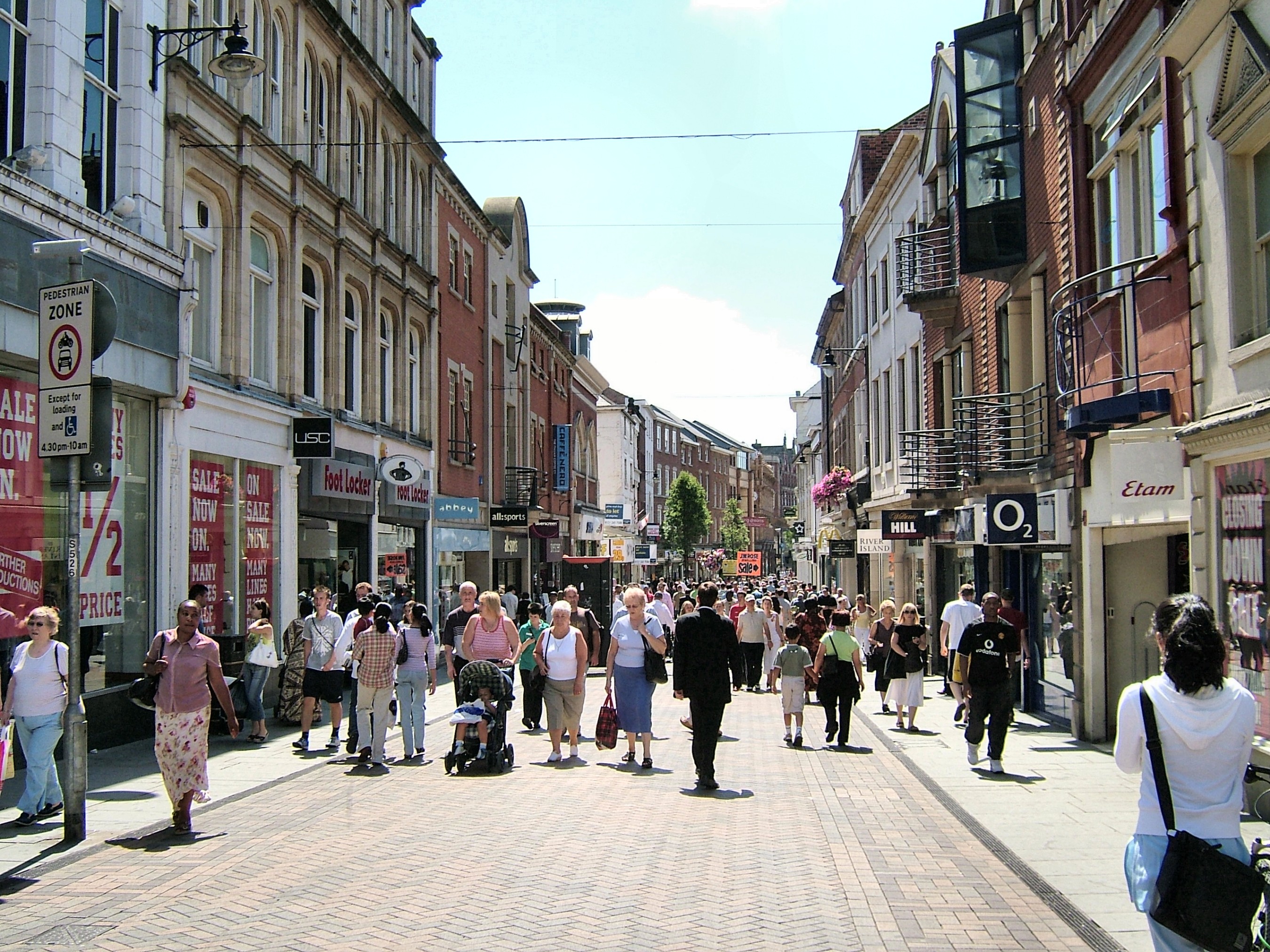
Clumber Street
Nottingham is a vibrant city, with first-class shopping attracting millions of people every year and consistently ranked in the top five UK shopping destinations. There are over 1,300 outlets; independent retailers, designer boutiques and high street favourites, with shoppers spending around £1.8 billion a year.
The city has a huge variety of live music venues and a pioneering art and culture scene, there are contemporary and classical theatres, the Motorpoint Arena and art galleries such as the Nottingham Contemporary and New Art Exchange.
Castle Gatehouse
Nottingham Castle houses a museum and art gallery and has superb grounds with views across the city and over the Trent valley. There are also museums and spectacular parks at Wollaton Hall and Newstead Abbey, along with many other parks and gardens. The city’s Arboretum was the first designated public park in Nottingham and officially opened on 11 May 1852.
There are all sorts of places to visit and things to do. The fascinating Galleries of Justice Museum is based in Nottingham’s old courthouse and gaol, and takes you through the dark and disturbing past of crime and punishment. There is the award winning City of Caves visitor attraction, exploring the amazing sandstone caves beneath Nottingham city centre, the Museum of Nottingham Life at Brewhouse Yard, depicting the social history of Nottingham over the last 300 years and Green’s Windmill, a popular museum and science centre.
Nottingham has two of the country’s foremost universities, Nottingham University and Trent University, and has the third largest student population in England, with more than 55,000 students at the universities alone.
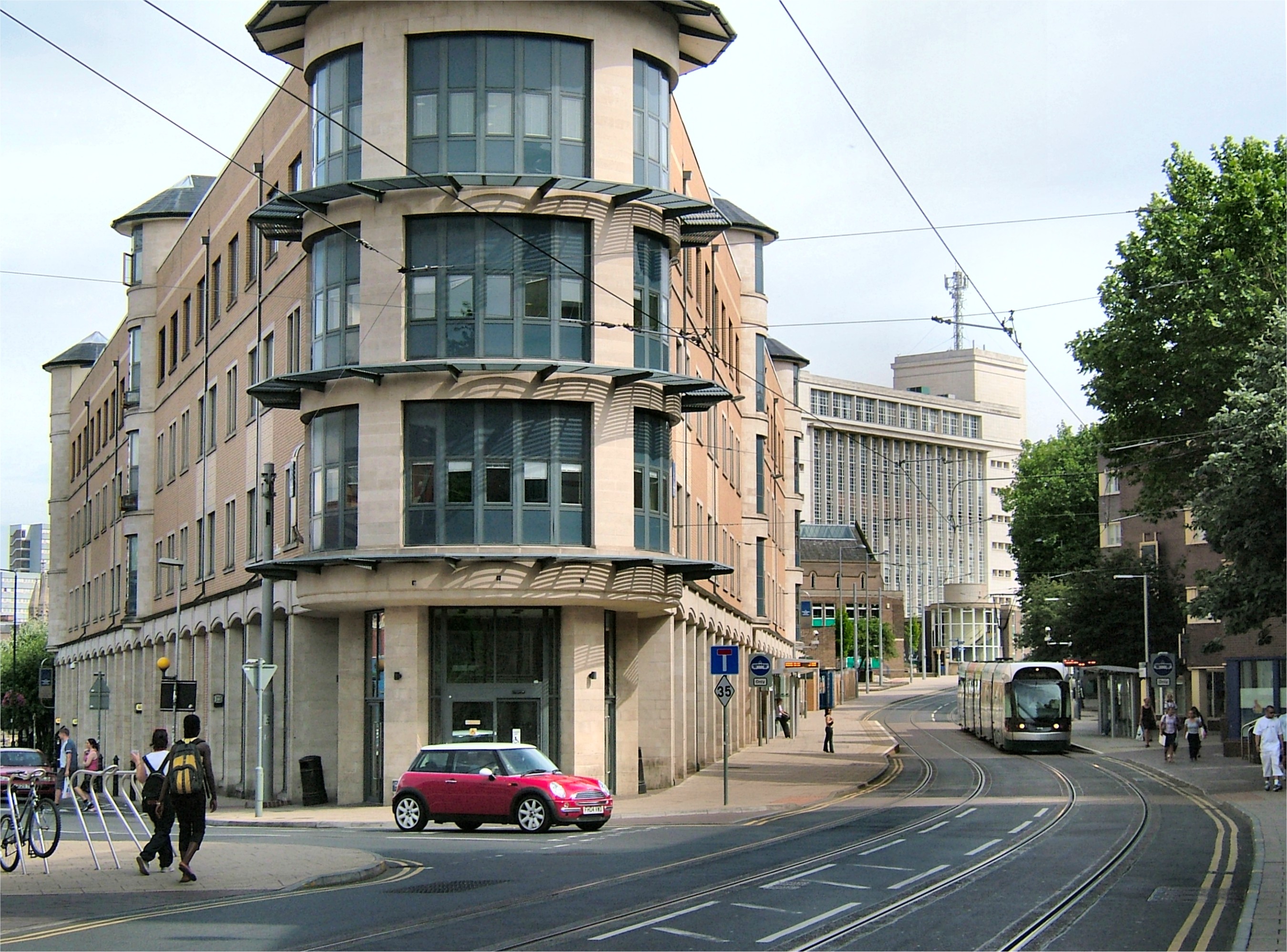
Queen StreetTram on CheapsideView of the Lace Market from Castle Rock
Except that doesn’t really make sense. So, a short list of loathed words, well, words I don’t like anyway:
Whilst Whilst, to me, sounds pompous and outdated. I think it’s perfectly well replaced by while and should have gone the way of thee and thou when they were supplanted by you.
Mucus, phlegm and diarrhoea Dislike of the word mucus has to be because of its association with illness and infection. Mucus is a naturally clear and runny substance, with lubricative and protective functions, but it gets its repugnant yellow/green condition from nasal and sinus mucus with bacterial or viral infection.
I also don’t like phlegm, but that’s because I can’t spell it without looking it up; the same goes for diarrhoea. Actually, to be fair to phlegm, if you strip away its meaning, the word itself is quite soft, gentle and almost cuddly.
Stakeholder Stakeholder is slightly annoying because it has two opposing meanings, but it mainly makes me wince because of its overuse in national and local government announcements; we all seem to be stakeholders now.
I only want to be a stakeholder in a restaurant in the company of a medium rare fillet (I know, but I did say that I can’t spell).
Actually, there are a whole raft of redundant words and phrases used to pepper ill considered Council documents that also make me grimace. Thank goodness for the Plain English Campaign.
Perfectomondo It’s just bloody annoying.
Chintz I don’t really like the sound of the word, it’s too sharp and it conjures up a feeling of tasteless, ostentatious and old fashioned design.
Beatnik and gonk Oh the 1960s (more or less, give or take a few years). There’s nothing wrong with beatniks as a group/breed/species, but the word just feels like a phony and fabricated media stereotype. And as for gonk, well, doesn’t it just sum up some of the vile tat produced and sold in that decade?
Fuddle Aarghh! No. This is just too cringy. The word itself is too ‘nice’, it’s finicky, fastidious and fussy, before you even get into its meaning. Then it triggers flashbacks of squirmingly embarrassing office parties and colleague send-offs where people stand around in awkward groups, holding plastic cups of warm fizzy wine, not talking and wishing fervently that they were anywhere else. I don’t even want to think about it anymore.
Talking about stakeholder and redundant words and phrases has reminded me of a list I once found of meaningless words to insert into documents. I was going to include it here, but I think I’ve already gone on for too long. I’ll add it later, along the lines of; Meaningful nonsense, or how to enhance the impact of official correspondence.
Lastly:
My wife dislikes okey-dokey.
My sister cringes at the words crotch and gusset.
My daughter detests cordial, elderflower, thorough and frozen. I’m starting to think she’s just a bit strange though.
The etymological, not entomological, origins of my school nickname.
Roy Manterfield (1959)
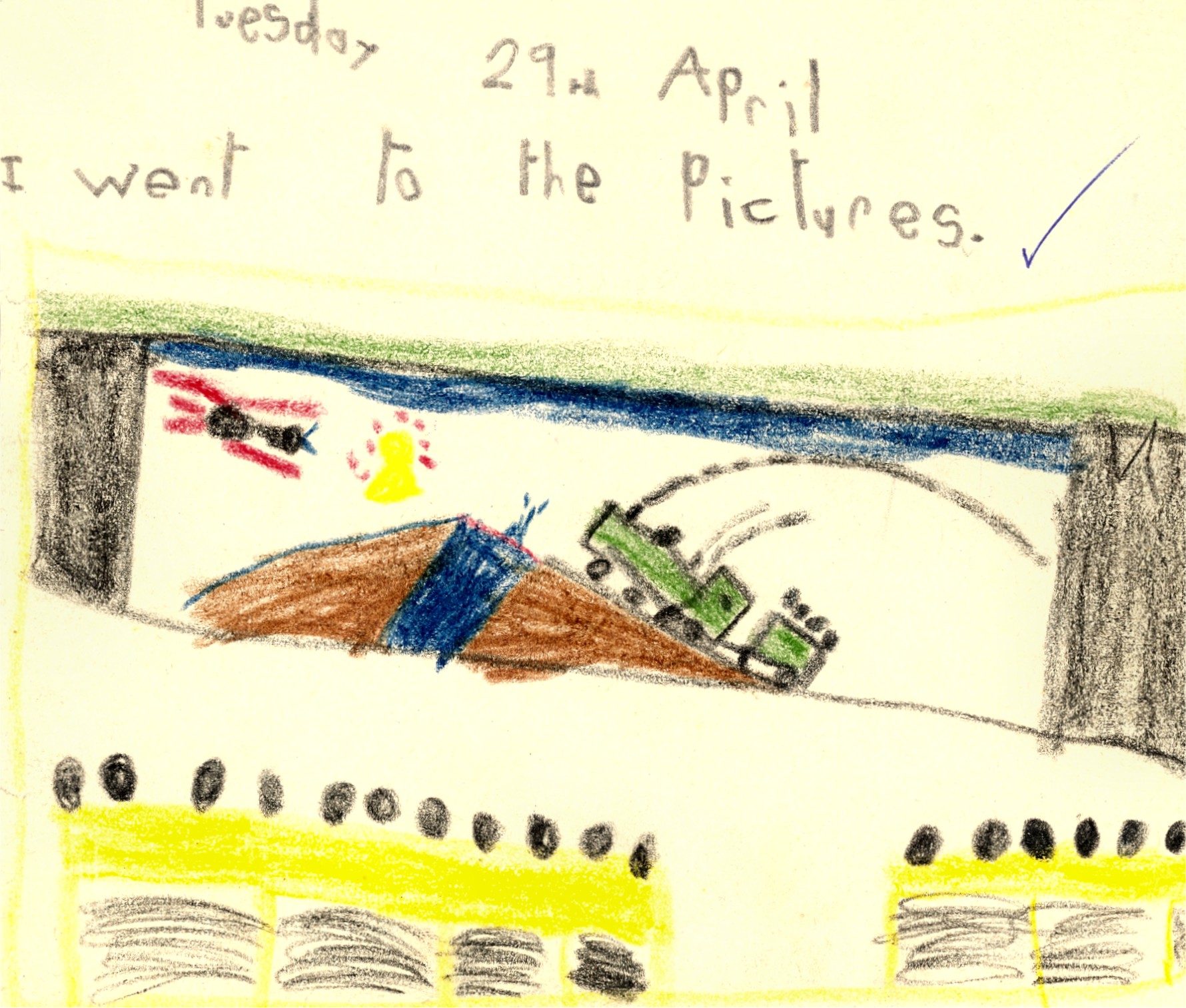
At school, well at junior school, I was known as Dandy, which had a dual or ‘punning’ basis, coming both from my alleged dandyism and from watching, and being somewhat obsessed with, the Saturday matinee film series of Zorro at the local village cinema.
The theatre was the Lawn cinema in Birstall, just north of Leicester, run by Bert Pollard. According to the Leicester Mercury the cinema had been opened on Monday 5 October 1936. It was named after Lawn House, which had previously stood on the site in the centre of the village.
I loved the Saturday matinee; it was the entertainment highlight and treat of the week for quite a few years and my introduction to cinematic science fiction through Flash Gordon and to the wacky humour of Laurel and Hardy, Abbott and Costello & The Three Stooges.
'Pictures' by Roy Manterfield (April 1958)
I can’t remember exactly how much the matinee cost; it was quite cheap, somewhere around 4d or 6d, and my favourite sweetened, pink and white popcorn, sold in a greaseproof paper tube for about 3d.
The Lawn keep going for 34 years, finally closing in October 1970. After it’s demolition a supermarket was built on the site.
Anyway, I’m deviating; this minor historical tangent has little to do with my nickname, just happy memories of the late 1950s and early 1960s.
I was fascinated by Zorro’s spectacular fencing techniques, but my friends, instead of calling me Zorro, named me after Zorro’s unmasked screen character.
Zorro (Spanish for fox) was the secret identity of Don Diego de la Vega; this was heard by young ears as ‘Dan de Yaygo’, which in turn became ‘Dandy Yaygo’, and, in the case of my nickname, was abbreviated to just ‘Dandy’.
The perception of me being a dandy, the secondary source of ‘Dandy’, arose through my mixed pronunciation from having an East Midland father and a south coast mother. Words such as grass with the short ‘a’ of the East Midlands and north would often emerge with the longer ‘ah’ of the south. Likewise I would sometimes pronounce words such as plant, dance, branch, demand with the long ‘ah’ sound (plahnt, dahnce, brahnch, demahnd).
Due to this intermittent southern, or posh, pronunciation my school friends erroneously perceived me as having an upper-class background. So ‘Dandy’ fit both the perception of who I was and my obsession with Zorro, whose alter ego, Don Diego de la Vega, was thought to be a bit of a dandy anyway.
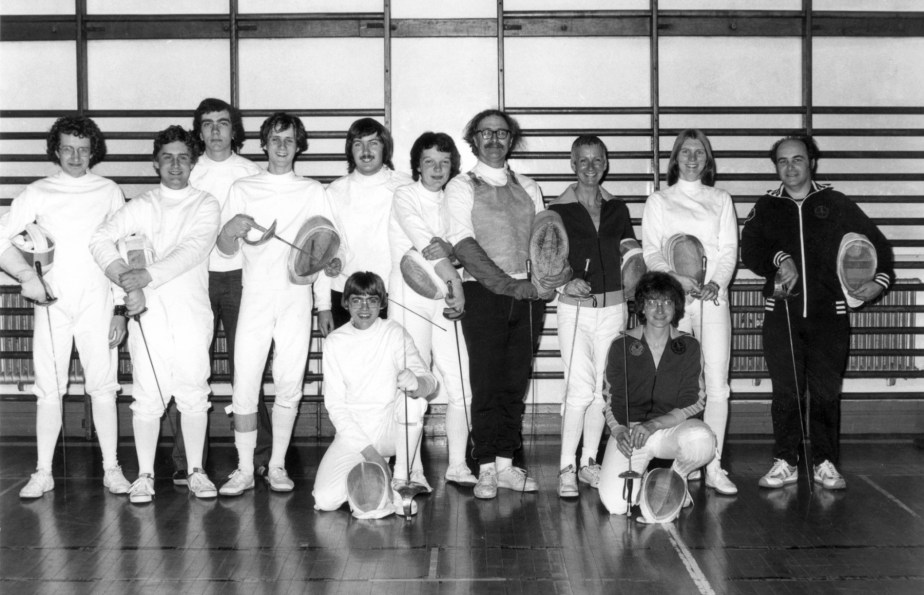
In a slight revisiting of my school nickname I did take up fencing in the 1970s, starting at night school and then with the Nottingham YMCA Fencing Club for a few years, where I met my wife Sue.
YMCA Fencing Club (June 1979) - Me on the left of the photo, Sue in the centre (between the moustaches)
I was thinking about so many things being transient, but actually everything is.
Thoughts are remarkably transient; they come and then they’re gone in the twinkling of an eye, never to be remembered. Well, not without a pen or a stylus to hand.
And my eye doesn’t twinkle as much these days; is that age related?
Given the chance, I write thoughts down in a quick jumble before I forget them, then sort them out and make them legible later. Trouble is, sometimes I can’t read them or work out what I might have been thinking. Probably nothing of historical significance anyway.
I’ve realised of late the transient nature of cultural references and the huge percentage that are completely irrelevant to younger people, and also noticed that it becomes more pronounced as you get older.
It’s part of my, undoubtedly annoying, nature to make asinine remarks during conversations, in relation to comments that people make and about events, probably linked to my problem with word finding. However, as I get older, many of the references that I might link to these events or comments are also ageing, and therefore mean absolutely nothing to the reluctant, and frequently younger, addressees.
If I’m making reference to something that happened thirty or forty years ago, and the recipients of my remarks are under the age of thirty or forty, it’s likely that my comment will mean absolutely nothing to them. There will be no corresponding cultural reference point and my pithy and pertinent remark will be irrelevant and immaterial.
Damn, now I’m even less relevant than I used to be, and that was starting from a low base.
Everything is transient. Transience makes a change, and change is good for you.
I regularly find it difficult to retrieve words to express thoughts and have always had problems remembering names and numbers.
It’s only in recent years that I’ve started to think about word finding difficulties and consider how it’s affected me. Thinking about it has made me realise that in some ways it’s had a fairly significant effect on some aspects of my life.
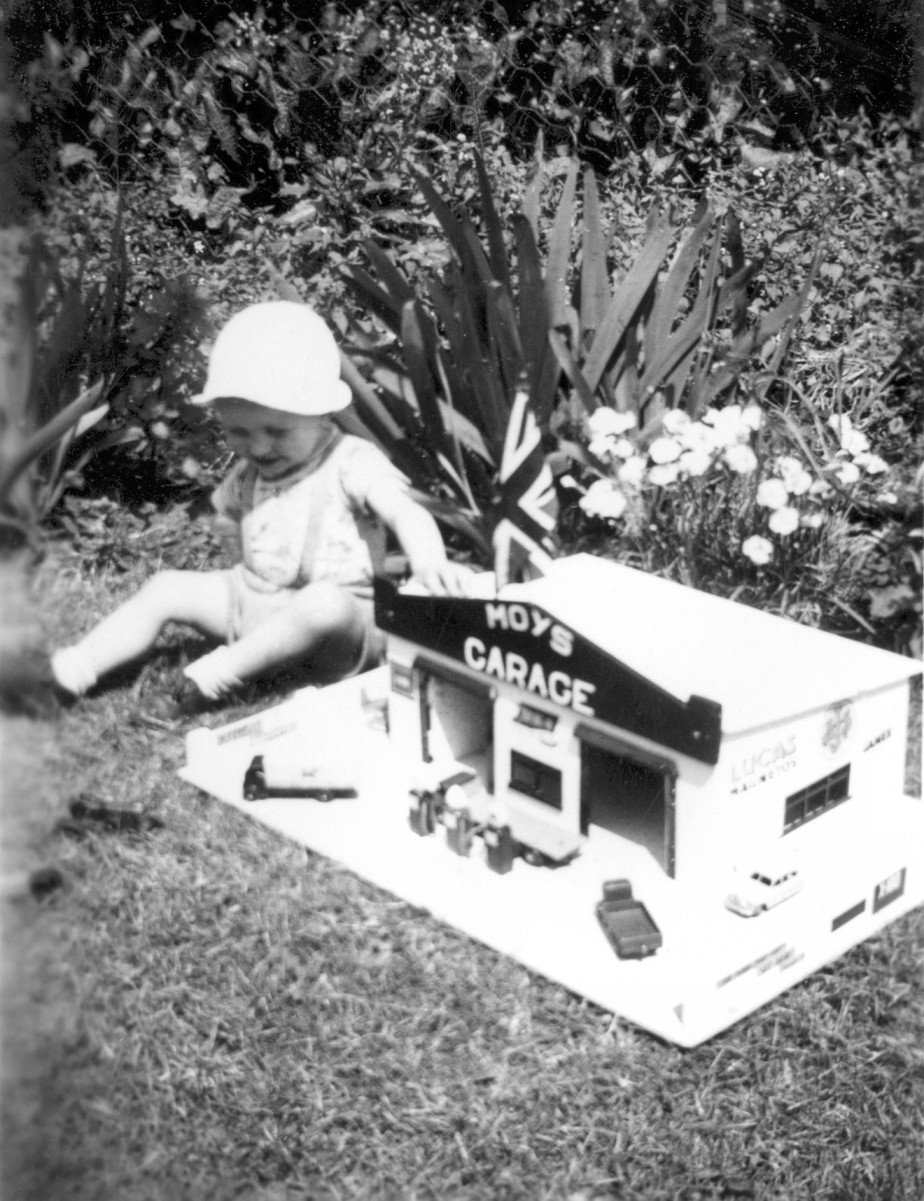
Moy's Garage (1954)
As a young child I was fairly slow learning to talk and I couldn’t pronounce some sounds very well, for example the letter ‘r’. As a toddler I couldn’t say my name ‘Roy’. I pronounced it ‘Moy’; my father made a toy garage for me and put ‘MOYS GARAGE’ on the sign over the entrance.
Although I drew a lot, I was sluggish in learning to read; at around age eight I still didn’t read very well and was given some Janet and John books by the school to practice at home with.
I didn’t learn the times tables properly. At school I learnt the 2, 5 and 10 times tables and a bit later the 12 (because of pounds, shillings and pence) and I could sometimes work some of the others out by adding up as I went along.
I don’t like writing, my handwriting is hard to read and I’ve always found it tricky to remember what to capitalise and punctuate. For some years in my 20s I wrote everything out in CAPS, even my name; my bank eventually refused to accept my signature until I stopped using capital letters.
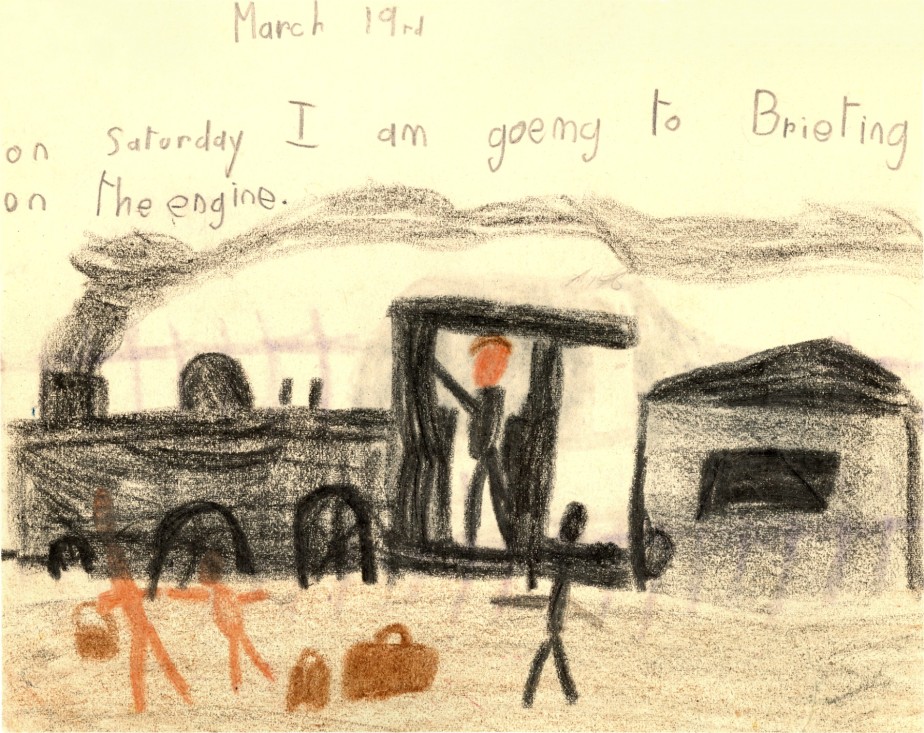
Dodgy spelling (1958)
My spelling has always been weak; I have to think very carefully all the time I’m writing by hand and there are many words that I still can’t spell, because I can’t think of a straightforward way of remembering how many letters there should be, or which order the letters go in. For example: across/accross, dificulty/difficulty, writing/writting, letter/leter, neighbour/nieghbor, metre/meter, confussed/confused, always/allways, recal/recall, scisors/scissors and in writing I tend to mix up short words such as ‘to’, ‘of’ and ‘or’. I sometimes miss letters, especially vowels, out of words. It’s only in my 50s that I’ve found a way of remembering which way round the ‘i’ and ‘e’ go in ‘their’. Until my 40s I had problems remembering the difference between ‘their’ and ‘there’ and at school for example I was made to write out a hundred times the difference between ‘they’ and ‘thay’.
I have trouble in remembering times and dates; since my early teens I’ve always carried a diary and lists of things to remember, do or buy. Having my first PDA in 2002 was a huge improvement; everything is in one place and reminder alarms can be set for events of all kinds, brilliant!
I use a computer whenever I can, always with auto spelling and auto correction, which has been a huge boost to the speed and accuracy of my writing. As I type these notes the software is correcting the spelling as I go and changing the letter order of words like ‘and’ and ‘the’ when I transpose the letters. Before computers I had to write copious notes with multiple corrections and a lot of Tippex and then use scissors and sellotape to put the sentences in the right order, then write the whole thing out again neatly enough for someone else to read. This applied to essays and letters, and to writing greetings cards and postcards, where I still usually write out a few lines, correct them and then try to write neatly on the card.
I sometimes pause or struggle when trying to recall words or names, and often replace a word with something similar, to try and get my thought across, when I can’t use the word I’m having difficulty remembering.
I find it easier to comprehend what someone is saying if I can see them and I sometimes have difficulty taking phone messages or understanding what someone is explaining during the call. I have to ask for spellings quite often over the phone and I can’t often remember the letters until it’s written out in full, so I have to ask the person to repeat the spelling until I have it all down on paper.
I only remember one or two oral instructions at most; so I usually have to make notes. I also find it hard to remember more than one or two food or drink orders, when I’m in a pub or restaurant, without writing them out.
The only car registration I can remember
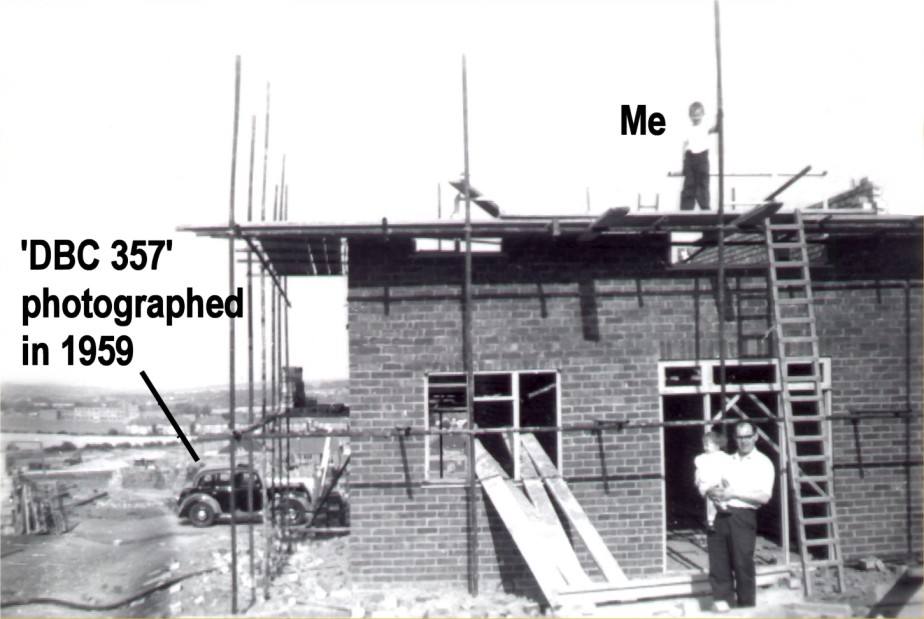
I have problems remembering names and especially numbers. I don’t remember my car registration number or any previous ones, apart from an old black Morris 8, series E that my father sold about 1963 which was DBC 357; I’ve no idea why I remember that.
I can’t remember any mobile phone numbers, including my own. The only numbers I can usually remember are my home phone and my main bank account, which has been the same for over thirty years. I find it hard to remember door codes and usually remember in what order to press the buttons rather than the numbers.
There are lots of technological aids; I don’t often remember web addresses for example, so I use ‘delicious’ to store all of my favourite bookmarks in one place, then they are always available anywhere online.
Sometimes I can’t recall people’s names even if I’ve known them for decades; I know exactly who they are, why and where I know them from and everything about them, but I can’t recall their name. The same regularly applies to celebrities on TV and people in the news. Yet sometimes I can remember an actor’s real name but not their stage or character’s name.
I confuse the names of people with similar sounds; I think Alice but say Janis, or Yvette instead of Colette.
I have a huge number of the universal ‘tip of the tongue’ experiences, where I know something, especially a word or name, but can’t immediately recall it. I can quite often think of the first letter of the missing word and think of words related to it, but not bring up the actual word.
Occasionally I say a word that isn’t the one I intended to use (this needs elaboration, but I’m out of words for now).
I can’t read (or write) and listen to someone speak at the same time and if two people talk to me simultaneously my attention skips from one to the other and I fail to understand what either of them has said. However, that may be because I’m male and useless at multi-tasking!
I find it very hard to learn or remember stories, poems or song lyrics and I don’t remember many song or group names or tell jokes, but I do produce spoonerisms (occasionally inadvertently) and many puns in striving to recall the meaning or word that I want to use.
I’m very uncomfortable talking in a small group of people and can’t address a large group at all; I become speechless and silent and can neither think of anything to say nor remember what I meant to say. Very embarrassing.
My hearing has deteriorated slightly in recent years, particularly in my left ear, which had to be operated on in 2004 to stop the impairment getting worse, but it’s left me with poor hearing and occasional tinnitus in my left ear.
The hearing problem has made some of these word finding issues worse. I try to avoid talking to people where there is a lot of background noise, such as in pubs, social occasions and on buses, because I find it very hard to understand what is being said. Separating speech sounds from background noise, such as a television, can be quite hard.
I’ve not had any sort of assessment, except when, as a toddler, my mother was concerned about my speech, hearing and concentration and asked our family doctor for advice. He conducted a short ‘whispering’ test from the opposite end of the room and said there was nothing to worry about.
In the last year or so, when I’ve started to think about the subject, I’ve done some research and, apart from very minor similarities to some aspects of autistic spectrum disorder (ASD), I’ve only found one website that has any correlation to any of my concerns (http://www.wordfinding.com/). Then more recently I came across the term ‘lethologica’ (http://en.wikipedia.org/wiki/Lethologica) which may have some connection to the problem.
Assessment almost certainly isn’t necessary, as I don’t think the effect on my day to day life is that critical. Setting the issues out in black and white and attempting to describe it, as I’ve tried to do here, probably makes more of an issue of it than is warranted.
“It is bad luck to be superstitious.” – Andrew W. Mathis
“Hindsight is always twenty‑twenty.” – Oscar Wilde
“A great deal of what we see depends on what we are looking for.” – Unknown
“If you try and take a cat apart to see how it works, the first thing you have on your hands is a non-working cat.” – Douglas Adams
“Before you argue with a fool make sure he is not similarly occupied.” – Willam George Plunkett
“A committee is a group of the unwilling, chosen from the unfit, to do the unnecessary.” – Anonymous
“Little old grey haired, hunchbacked, mumbling nerd.” – Alice Manterfield (on Roy Manterfield)
“The fish can be ‘heads’ because it has a head, oh wait, it has a tail as well doesn’t it!” – Grace Carlin
“A man is a fool not to put everything he has, at any given moment, into what he is creating.” – Frank Herbert
“Atheism is a non-prophet organisation.” – George Carlin
“To believe something in the face of evidence and against reason – to believe something by faith – is ignoble, irresponsible and ignorant, and merits the opposite of respect.” – A.C. Grayling
“Human beings, who are almost unique in having the ability to learn from the experience of others, are also remarkable for their apparent disinclination to do so.” – Douglas Adams
“In the elder days of Art, Builders wrought with greatest care Each minute and unseen part; For the Gods see everywhere.” – Henry Wadsworth Longfellow
“Friar Tuck doesn’t like spoonerisms.” – Roy Manterfield
“My absolute favourite piece of information is the fact that young sloths are so inept that they frequently grab their own arms and legs instead of tree limbs, and fall out of trees.” – Douglas Adams
“Beware of half-truths – you may have the wrong half.” – Willam George Plunkett
“When you have nothing to say, say nothing.” – Winston Churchill
“Life is just one damned thing after another.” – Joseph Heller
“Flying is learning how to throw yourself at the ground and miss.” – Douglas Adams
“It’s a rare person who wants to hear what he doesn’t want to hear.” – Dick Cavett
“The shortest way to do many things is to do only one thing at once.” – B F Skinner
“Experience is the art of not making the same mistake too many times.” – Willam George Plunkett
“Isn’t it enough to see that a garden is beautiful without having to believe that there are fairies at the bottom of it too?” – Douglas Adams (on religion)
“I may not have gone, where I intended to go, but I think I have ended up, where I intended to be.” – Douglas Adams
“One never notices what has been done; one can only see what remains to be done.” – Marie Curie
“[The World Wide Web is] the only thing I know of whose shortened form — www — takes three times longer to say than what it’s short for.” – Douglas Adams
“I love you not only for what you are, but for what I am when I am with you.” – Elizabeth Barrett Browning
“Success is going from failure to failure without loss of enthusiasm.” – Winston Churchill
“Men are always whining about how women suffocate them. Well, if you can still hear them whine, you’re not holding the pillow hard enough!” – deathbychoccy (Twitter 11 Febraury 2009)
“Self Portraits are generally coloured.” – Willam George Plunkett
“I, not events, have the power to make me happy or unhappy today. I can choose which it shall be. Yesterday is dead, tomorrow hasn’t arrived yet. I have just one day, today, and I’m going to be happy in it” – Groucho Marx
“Lady Nancy Astor: Winston, if you were my husband, I’d poison your tea. Churchill: Nancy, if I were your husband, I’d drink it.” – Winston Churchill
“Depend on the rabbit’s foot if you will, but remember, it didn’t work for the rabbit.” – R E Shay
“A black cat crossing your path signifies that the animal is going somewhere.” – Groucho Marx
“Life is now. There was never a time when your life was not now, nor will there ever be.” – Harmony Jones (Twitter 17 March 2009)
For other stuff in this blog, click on these links:










 MumblingNerd's Mumbling Blog